
Table of Contents
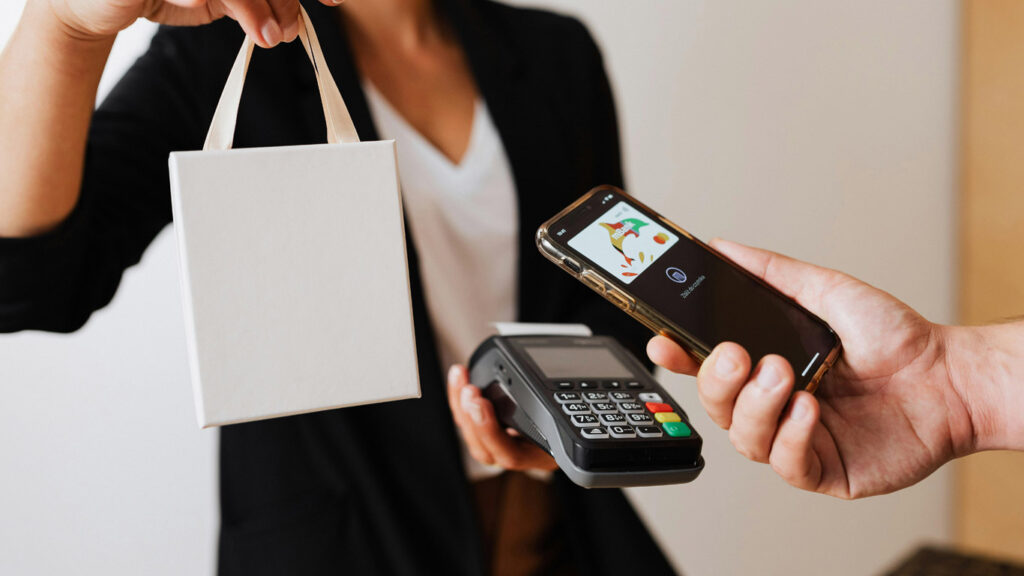
Nowadays, mobile wallets like Apple Wallet and Google Wallet are doing much more than just simple contactless payments. It started as a way to tap and pay in shops, and now it is a main place for digital identity, loyalty programs, and talking to customers. This change is helping physical stores get shoppers back.
People are feeling more comfortable with digital wallets. This makes new chances for shops that want to mix easy digital things with real benefits of shopping in stores. With digital ID becoming part of the wallet system, shops can think again about how they talk to customers and make visiting a store more valuable and smooth.
Mobile Wallets Are Mainstream
Mobile wallets are now a big part of what people do every day. Many more people are using them in recent years. Apps like Apple Pay and Google Wallet are almost everywhere. In the U.S., it is growing fast because of features like contactless payments, stored loyalty deals, and also secure digital identity cards.
Apple Wallet has led this growth, especially after it started supporting digital identity papers like driver’s licenses and passports. Google Wallet also has digital IDs and many users around the world. People can keep not just payment cards but also government IDs on their phones.
These new things have changed how people think about wallets. It is not just for credit card details anymore. Wallets are becoming a central place for trusted documents, personal information, loyalty points, and other things.
From Payments to Identity Verification
Digital ID feature lets people keep government-issued papers safely on their phones. Then they can use them for daily tasks. This can be showing a driver’s license when paying, proving age for buying things, or showing identity at security check points.
This is being supported by mobile driver’s license (mDL) programs in many U.S. states and other places. This makes digital identity a known way instead of carrying physical cards. In some states, people can already put their driver’s licenses or state IDs in their digital wallets for official checking.
When digital ID is accepted at store checkouts, membership desks, and loyalty counters, it can make going to the store faster and easier for customers. Shops can make identity checks simpler, making processes that needed physical papers quicker.
Advantages for Retailers
For shops, using digital IDs and other wallet features helps them connect with customers better. When customers keep their loyalty cards, coupons, and identity papers in one trusted app, shops can talk to shoppers more personally.
For instance, shops can send special offers or loyalty rewards directly to a customer’s wallet. They can link these to identity or buying activity. This helps brands make good offers that make customers visit a store instead of buying online.
Shop plans that mix wallet messages with in-store offers are showing good results for bringing people to stores and getting more offers used. Sending messages to customers about nearby deals or loyalty benefits when they are near or in a store makes them want to visit. Online stores cannot do this.
Convenience and Security for Shoppers
For shoppers, digital IDs in mobile wallets make things easier and safer. Mobile wallets keep private data safe and usually need fingerprint or face scan to open, which can be safer than carrying a physical card.
Instead of carrying many cards for payment, rewards, and ID, customers can get all these in one app. This makes paying easier and less risky if cards are lost or stolen.
With good protection for transactions and phones, digital payments and identity checks can be safer than old ways. This makes people feel confident using this technology for more than just paying.
Encouraging In-Store Discovery
One problem with online shopping is that customers do not often find things they were not looking for. In physical stores, shoppers can look at things they did not plan to buy and feel more connected to brands. Shops see this as a good thing about real stores.
Digital wallet use can make this even better. When a customer’s wallet connects loyalty information with in-store offers, it gives a good reason to visit in person. Instead of just buying online with a digital wallet, customers might go to a store to use a special offer or get a benefit linked to their ID, like better service or faster checkout.
Once inside a store, shoppers are more likely to buy more things or look at new items. That finding new things, which online shopping finds hard to do, becomes possible again. This is helped by easy digital IDs and personal offers.
Challenges to Widespread Adoption
Even with good benefits, there are still problems before digital ID in mobile wallets becomes common in shops. A big issue is that rules and technology are different in different states and countries. Not all places accept digital IDs for official use, which means they cannot be used everywhere.
Also, different wallet apps and checking systems do not always work together well. An ID that works for one shop might not work for another, especially with different phone systems. Shops need to spend money on new machines, train staff, and have safe checking systems to make this smooth.
People also worry about privacy and trust. Shoppers want to know their ID information is not being used wrongly, and shops must be clear about how they use personal data. Good security and clear talk about data use are important to build that trust.
The Future of Retail Engagement
As mobile wallets keep changing, digital identity is becoming an important part of the next level of shopping. Mixing safe identity papers with loyalty, payment, and messaging makes a flexible way for both shoppers and shops to connect.
By including digital ID in customer loyalty plans, shops can make visits to the store more personal and easy. This makes shoppers happier and more loyal. This mix of easy digital shopping and real-life discovery could be a big thing for shops in 2026 and after.
Final Thoughts
Mobile wallets have become strong tools that do much more than just payments. With digital IDs, they can now make checking identity simpler, get customers more involved, and bring people back to physical stores. For shops that want to use this technology, the chance to connect with customers in new ways and invite them back to real shopping places is bigger than ever.
Short on time?
Use our AI tool to summarize this article in seconds.
You might also be interested in

The Future of Artificial Intelligence in Everyday American Life
February 25, 2026
Edge Computing Explained: Why It Matters for the Future of the Internet
February 24, 2026
How Blockchain Technology Is Being Used Beyond Cryptocurrency
February 23, 2026
5G Technology in the United States: Benefits, Risks, and Future Outlook
February 21, 2026