
Table of Contents
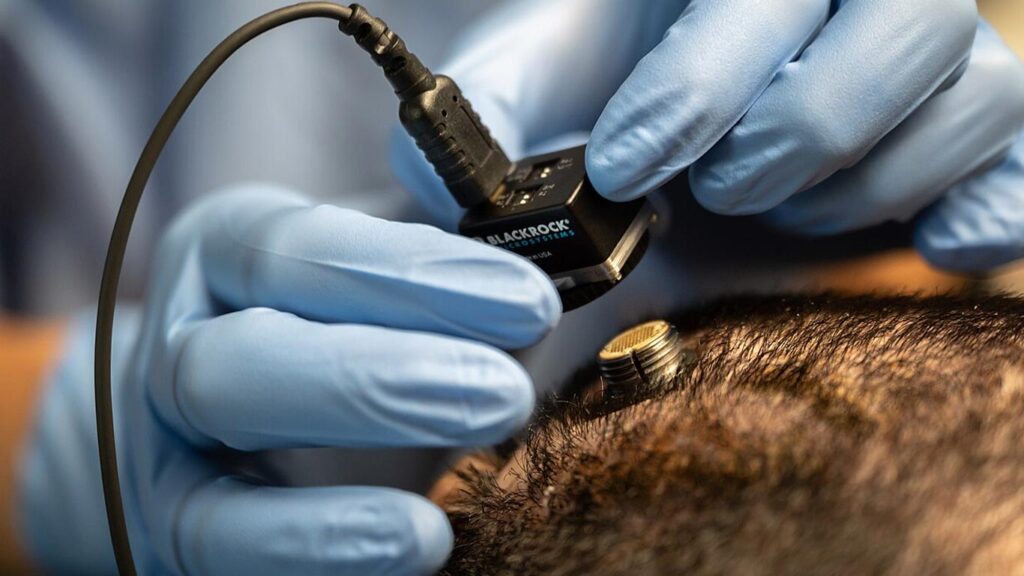
Artificial intelligence is continuing to make technology do new things. While tools like ChatGPT and good vision models have changed how we use words and pictures, a new area is starting where biology and computers meet. Early in 2026, OpenAI said it is putting a lot of money into Merge Labs, a company that makes brain-computer interfaces. This company was started by its own CEO, Sam Altman. This is a big moment that could change how people use computers and artificial intelligence in the future.
What Is Merge Labs and Why It Matters
Merge Labs says it is a research place that wants to connect human intelligence and AI to make people better with new kinds of interfaces. The company wants to find safe ways that can send a lot of information. These ways could let people talk directly to machines using their brain signals.
When the company came out, it said it got about $250 million in a first funding. The company is worth about $850 million. OpenAI gave the most money. But other people like Bain Capital and Gabe Newell also gave money.
Brain-computer interfaces have been a dream for stories and for scientists for a long time. These systems try to understand brain signals and make them do things outside the body. In hospitals, BCIs have already helped people who cannot move to use computers or robots with their thoughts. Merge Labs wants to use this work and also find other ways it can be used. It might change how we use AI every day.
A Strategic Investment From OpenAI
OpenAI investing in Merge Labs shows they think computers in the future will be used in more natural and direct ways with AI. In a message on their website, OpenAI said brain-computer interfaces give a new way to talk, learn, and work with technology. The company also said they will work with Merge Labs on basic AI models and other smart AI tools to make this research go faster.
This kind of work is important because it makes OpenAI do more than just make software and cloud AI. They are now looking at biology and hardware too. Instead of just making strong AI models, OpenAI wants to help decide how people will use those models. By helping make tools that read and understand brain signals, the goal is to talk to smart systems in a simpler way.
Non-Invasive Innovation
One good thing about Merge Labs is they are trying to use methods that do not need surgery. Many current BCI systems need surgery or wires put inside the brain. For example, Neuralink uses surgery to put small wires to read brain activity.
Merge Labs is trying a different way. The company said they are looking at ways that connect to brain signals using molecules and things like ultrasound. These ways try to send and get information through the brain without putting anything inside. If this works, BCIs could be used by more people and be safer.
By not doing surgery, Merge Labs hopes to make it easier for people to use these things and make it less risky. This way could make brain interfaces usable for more things, not just for medical use. It could be used for working, learning, or using AI every day.
Founders and Expertise
Merge Labs has scientists who study brains and people who are good at starting technology companies. The people who started it have a lot of experience studying brains and also know how to run tech businesses. Sam Altman, who is known for OpenAI, is one of them and helps the company a lot. Other founders are scientists like Mikhail Shapiro, Tyson Aflalo, and Sumner Norman. They have all worked on new ways for brain-computer interfaces.
This mix of smart scientists and good business leaders might help Merge Labs solve the hard problems of BCI. These problems are like understanding brain signals the right way, making hardware that works well and is safe, and putting hardware with AI so people can use it easily.
Potential Impact on AI and Human Interaction
If Merge Labs does what they want to do, it could change how people use computers very much. Instead of using screens, keyboards, or talking, people could use their thoughts to control things or use AI. Imagine writing a message, moving around in a digital place, or asking AI something just by thinking. This sounds like the future, but the research they are doing is making it closer.
This kind of technology could change many areas. It could help people who cannot communicate to do so again. It could also create new ways to be creative. Scientists also think that BCIs that send lots of information could help AI understand what people want better and change for each person.
Ethical and Practical Challenges
Even though people are excited about BCIs, there are big problems to fix. Technical problems include understanding brain data correctly, which can be messy and change a lot. Making sure devices work well for everyone is also hard. And making interfaces that are smooth and easy to use. There are also big worries about privacy, getting permission, and keeping data safe. Knowing what someone is thinking is very private. Systems that understand these thoughts will need strong protection for users.
Also, we need to think about who can get these. If good brain-computer interfaces are made, we need to make sure many people can use them, not just rich people. This is important so that new kinds of unfairness do not start.
Competition and the Broader Brain-Computer Interface Landscape
Merge Labs is one of many companies doing BCI research. Companies like Neuralink, Synchron, and Paradromics are also working on brain interface technology. They all have different ways of doing things and different goals. Neuralink, for example, has focused on implants and has already tested them on people. These people can control computer things with their thoughts.
Other companies are looking at ways that do not need surgery or need very little surgery. The different research paths show how hard the problem is and how many ways it can be used. Merge Labs trying to connect biology, devices, and artificial intelligence is one good way. But other companies and working together will likely decide the future of this field.
What This Investment Signals
OpenAI investing in Merge Labs shows that the company thinks interface technology is important for the next step of AI. Instead of keeping AI on screens and with voice helpers, the idea is to connect human thoughts and smart systems directly. This could make using them faster, more natural, and more a part of daily life.
By giving money to Merge Labs and agreeing to do research together, OpenAI is not just a leader in AI software. They are also a leader in the basic things that will connect people and machines for many years.
Final Thoughts
The partnership between OpenAI and Merge Labs shows a big idea for the future of technology. By investing in brain-computer interfaces, the companies want to change how people use artificial intelligence. Many technical, ethical, and practical problems still need to be solved. But this move shows they believe the next step in computing might be beyond keyboards, screens, and talking. It might be about talking directly with our brains. If this works, it could change how we work, learn, and use smart systems in ways that seemed like stories just a few years ago.
Short on time?
Use our AI tool to summarize this article in seconds.
You might also be interested in

The Future of Artificial Intelligence in Everyday American Life
February 25, 2026
Edge Computing Explained: Why It Matters for the Future of the Internet
February 24, 2026
How Blockchain Technology Is Being Used Beyond Cryptocurrency
February 23, 2026
5G Technology in the United States: Benefits, Risks, and Future Outlook
February 21, 2026