
Table of Contents
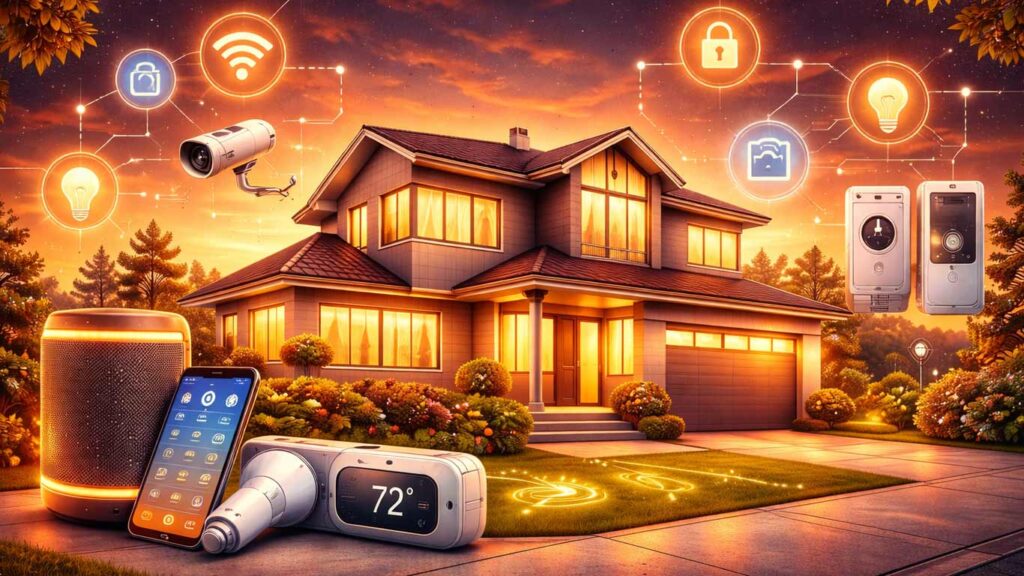
Smart homes are no longer a futuristic concept seen only in science fiction movies. Across the United States, millions of households are adopting connected devices that automate daily tasks, enhance security, improve energy efficiency, and make life more convenient.
From voice-controlled assistants to intelligent thermostats, smart home technology is transforming how Americans live. In this in-depth guide, we explore the rise of smart homes in America, the devices leading the change, their benefits, challenges, and what the future holds.
What Is a Smart Home?
A smart home uses internet-connected devices that allow homeowners to monitor, control, and automate systems such as lighting, heating, security, entertainment, and appliances. These devices communicate through Wi-Fi, Bluetooth, or specialized smart home protocols.
At the center of many smart homes is a digital assistant platform such as:
- Amazon Alexa
- Google Assistant
- Apple HomeKit
These platforms allow users to control devices using voice commands or smartphone apps.
Why Smart Homes Are Growing in the United States
Several factors are driving rapid adoption:
1. Faster Internet and 5G Expansion
High-speed broadband and expanding 5G networks make device connectivity seamless and reliable.
2. Increased Focus on Home Security
With rising concerns about package theft and home break-ins, Americans are investing in smart security systems.
3. Energy Efficiency and Cost Savings
Smart thermostats and lighting systems help reduce electricity bills, making homes more energy-efficient.
4. Convenience and Automation
Voice commands and scheduled automation simplify daily routines.
According to industry research, smart home adoption in the U.S. continues to grow year after year, with security systems, smart speakers, and thermostats leading the market.
Smart Speakers and Voice Assistants
Smart speakers are often the entry point into smart home technology.
Devices such as the Amazon Echo and Google Nest Hub allow users to:
- Play music
- Set reminders
- Control smart lights
- Check weather updates
- Manage home automation routines
Voice assistants can connect multiple devices under one ecosystem, acting as the “brain” of the smart home.
For example, a simple command like “Good night” can turn off lights, lock doors, and lower the thermostat automatically.
Smart Thermostats: Comfort Meets Efficiency
Heating and cooling account for a significant portion of energy usage in American homes. Smart thermostats like the Nest Learning Thermostat and Ecobee SmartThermostat optimize temperature settings based on user behavior.
Key Benefits:
- Learn your schedule automatically
- Adjust temperature remotely
- Reduce energy bills
- Provide energy usage reports
Many utility companies in the U.S. even offer rebates for installing energy-efficient smart thermostats.
Smart Lighting Systems
Smart lighting allows homeowners to control brightness, color, and scheduling through apps or voice commands.
Popular systems include:
- Philips Hue
- LIFX
Advantages:
- Energy savings
- Automated lighting schedules
- Remote control access
- Mood and ambiance customization
For example, lights can automatically turn on at sunset or off when no one is home.
Smart Security Systems
Home security is one of the biggest drivers of smart home adoption in America.
Smart security devices include:
- Video doorbells
- Motion sensors
- Smart locks
- Indoor and outdoor cameras
Devices such as the Ring Video Doorbell and Arlo Pro allow homeowners to monitor their property from anywhere.
Why It Matters:
- Real-time alerts
- Live video streaming
- Cloud storage recording
- Two-way communication
This added layer of security provides peace of mind, especially for families and remote workers.
Smart Appliances in the Kitchen
Smart refrigerators, ovens, and coffee makers are becoming more common.
Modern smart refrigerators can:
- Monitor food inventory
- Suggest recipes
- Display calendars
- Connect with grocery apps
Smart ovens can be preheated remotely, while smart coffee makers can start brewing before you wake up.
These features may seem small, but they significantly improve daily convenience.
Smart Plugs and Automation Hubs
For homeowners who want to start small, smart plugs offer an affordable entry point. These devices turn traditional appliances into smart devices.
With a smart plug, you can:
- Schedule lamps
- Control fans remotely
- Track electricity usage
Automation hubs bring everything together, ensuring devices from different brands work seamlessly within one ecosystem.
The Role of Artificial Intelligence
Artificial intelligence (AI) plays a crucial role in smart home systems. AI enables devices to learn user habits and adjust settings automatically.
For example:
- Thermostats learn when you are home.
- Lighting systems adapt to daily routines.
- Security cameras distinguish between people, pets, and vehicles.
This intelligent automation reduces manual control and increases efficiency.
Privacy and Security Concerns
While smart homes offer many advantages, privacy remains a concern.
Potential Risks:
- Data breaches
- Unauthorized device access
- Voice recording concerns
- Weak Wi-Fi security
To minimize risks, experts recommend:
- Using strong passwords
- Enabling two-factor authentication
- Keeping firmware updated
- Securing home Wi-Fi networks
Manufacturers are continually improving encryption and security protocols to protect users.
Smart Homes and Real Estate Value
Smart technology can increase property appeal and market value.
Homebuyers in the United States increasingly look for:
- Smart security systems
- Energy-efficient devices
- Automated lighting
- Integrated home control systems
Real estate agents often highlight smart home features as selling points, especially among younger buyers and tech-savvy professionals.
Smart Homes and Sustainability
Sustainability is another major advantage.
Smart devices help:
- Reduce electricity consumption
- Monitor water usage
- Optimize heating and cooling
- Support renewable energy integration
Homeowners using solar panels can integrate energy monitoring systems to track consumption and production in real time.
Challenges Facing Smart Home Adoption
Despite rapid growth, challenges remain:
- High upfront costs
- Compatibility issues between brands
- Complex setup for non-technical users
- Dependence on stable internet connections
However, as technology becomes more affordable and standardized, these barriers are gradually decreasing.
The Future of Smart Homes in America
The next phase of smart homes will likely include:
- Greater AI integration
- Improved interoperability standards
- Enhanced cybersecurity measures
- More affordable devices
- Smart home integration with electric vehicles
With continued innovation, smart homes may soon become the standard rather than the exception.
Voice-controlled automation, predictive AI systems, and energy-efficient solutions are expected to define the next decade of residential living in the United States.
Conclusion
The rise of smart homes in America reflects a broader shift toward connected, automated living. From smart speakers and thermostats to advanced security systems and intelligent appliances, technology is changing daily life in meaningful ways.
Smart homes offer convenience, efficiency, enhanced security, and long-term cost savings. While privacy and security concerns remain important considerations, responsible use and proper safeguards can help homeowners enjoy the benefits safely.
As technology continues to evolve, smart homes will likely become more integrated, intelligent, and accessible. For many Americans, the connected home is no longer the future—it is already part of everyday life.
Short on time?
Use our AI tool to summarize this article in seconds.
You might also be interested in

The Future of Artificial Intelligence in Everyday American Life
February 25, 2026
Edge Computing Explained: Why It Matters for the Future of the Internet
February 24, 2026
How Blockchain Technology Is Being Used Beyond Cryptocurrency
February 23, 2026
5G Technology in the United States: Benefits, Risks, and Future Outlook
February 21, 2026